


Today, I want to talk about a key LLM mechanism that directly impacts visibility.
Large language models like Gemini, ChatGPT, and Claude do not surface content randomly. They understand what a user is trying to achieve by evaluating intent, context, and user characteristics in real time, then determine which information is most relevant for that specific user. This shift fundamentally changes how online visibility works. Defining your target customer is no longer just a marketing exercise. It is now a structural requirement for being surfaced by AI-driven systems.
As search behavior continues to move away from keyword-based queries and toward conversational, intent-driven prompts, businesses that clearly communicate who their content is for are significantly more likely to appear in results generated by LLM systems.
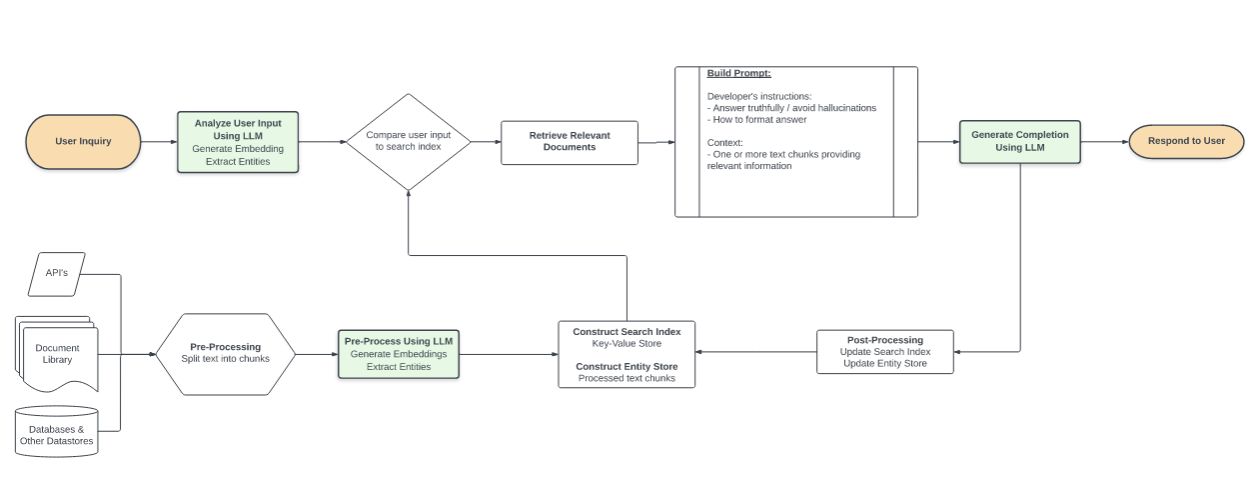
Why LLMs rely on User Profiling
LLMs are trained on massive datasets and operate using probabilistic inference, which means they do not know things in a deterministic way, they work by calculating probabilities. When a user asks a question, the model is not simply matching words. It is estimating:
- who the user is likely to be
- what level of knowledge they already have
- what problem they are trying to solve
- what constraints they may be operating under
- what type of source would be most credible for them
This is automated customer profiling, applied instantly and at scale. The model forms an internal picture of the user first, then selects content that best aligns with that inferred profile. If your content does not clearly signal who it is intended for, the model has less confidence surfacing it, even if the information itself is accurate.
Target customer profiles as machine-readable signals
LLMs do not interpret content subjectively. They detect patterns across language, structure, and context. A clearly defined target market creates consistent signals that models can reliably interpret, including:
- language complexity aligned with the audience’s experience level
- specific use cases rather than broad or generic explanations
- consistent industry terminology
- geographic, regulatory, or market context
- clear problem–solution framing tied to a defined role
Content written for a first-time buyer reads very differently from content written for an experienced operator, executive, or investor. When those distinctions are clear across a site, LLMs can confidently match the right content to the right user.

